Dos Mangas: Community and Nature (with safety) in the Coast
ECUADOR GUIDE
Riki Cevallos
3/17/20263 min read
If you’ve hesitated to explore Ecuador’s coast lately, you’re not alone. News of crime in certain coastal cities has made many travelers—locals and foreigners alike—think twice about venturing to Ecuador's beaches.
But not all of the coast is the same. Tucked into the lush foothills of the Chongón-Colonche mountain range, just 7 kilometers from the Pacific Ocean and a short drive from the quiet surf town of Olon, lies Dos Mangas—a community-led tourism project that offers something increasingly rare: deep nature immersion, cultural exchange, and genuine safety.
Visitors can stay overnight in family-run lodgings, eliminating the need to return to urban centers after dark. This simple fact—combined with strong community organization and a shared commitment to stewardship—makes Dos Mangas a secure and grounded alternative for those seeking authentic experiences away from mass tourism.
A Community That Rose from Crisis
Dos Mangas wasn’t always a destination. For decades, this settlement in the parish of Manglaralto (Santa Elena province) relied solely on agriculture. But in the early 1980s, severe deforestation and the devastating El Niño event forced families to relocate their homes away from the river confluence—a turning point that sparked a profound shift.
Since then, not a single tree has been cut. The community now protects 2,800 hectares of tropical humid forest, officially conserved since 1999. What began as survival became vision: they trained 18 local guides, revived ancestral knowledge, and built a tourism model rooted in care—not commerce.
Today, Dos Mangas welcomes around 5,000 visitors a year, including travelers from Australia, Nigeria, Europe, and across the Americas—not with flashy ads, but through word of mouth and the quiet power of a well-preserved place.
What You’ll Experience
Dos Mangas offers two main trails, each revealing a different face of this living forest:
Las Cascadas Route: A 6.5-km hike through dense cloud forest leading to a 75-meter waterfall fed by a natural mountain pool. Along the way, you’ll hear howler monkeys, spot toucans and hummingbirds, and walk beneath centuries-old guayacán and higuerón trees.
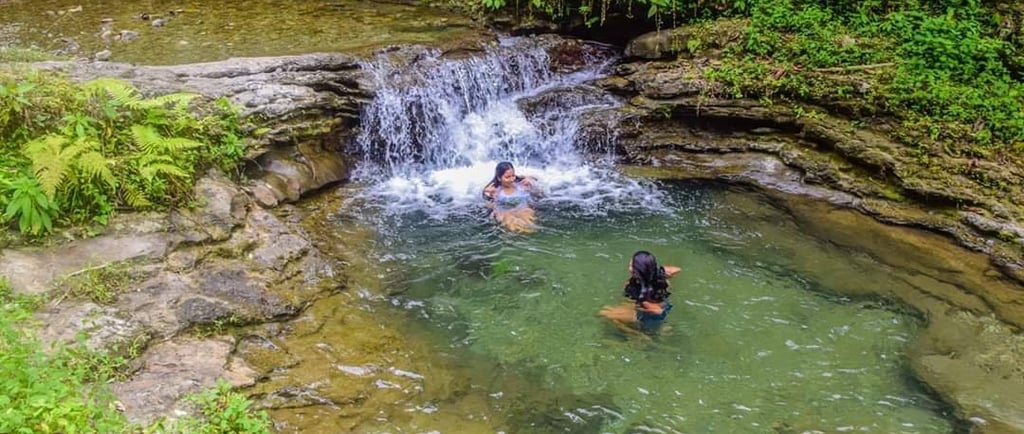
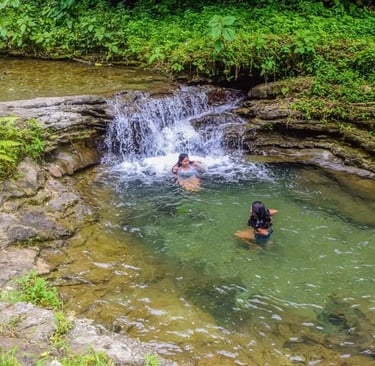
Las Piscinas Route: Features 24 crystal-clear natural pools, some up to 4 meters deep, perfect for swimming in cool, clean water surrounded by ferns and orchids.
But Dos Mangas isn’t just natural beauty. It’s a living cultural space. Families here still harvest paja toquilla—the fiber used to weave Panama hats—and craft tagua nut jewelry from seeds collected only after they fall naturally, ensuring no harm to wildlife.
Visitors often join guided walks led by community members like Sandro or Soraida Tigrero, who share stories not as performers, but as stewards—pointing out medicinal plants, ant trails, and the subtle signs of life that city dwellers rarely notice.
Horseback riding is also available, with 40 community-owned horses offering a gentler way to access deeper trails.
Why It Matters
In a time when “eco-tourism” is often just a label, Dos Mangas shows what happens when a community decides to protect its home first—and invites others in as guests, not customers. There are no staged dances, no souvenir shops, no pressure to tip. Just forest, water, stories, and the quiet dignity of people who chose regeneration over extraction.
If you’re near the southern coast and ready to step off the beaten path—with respect and curiosity—Dos Mangas might be exactly what you didn’t know you were looking for.
Quick Facts
📍 Location:
Comuna Dos Mangas, Parroquia Manglaralto, Santa Elena Province
• 7 km from the ocean
• 15–20 minutes by car from Olón
• Accessible via paved road + short dirt track
💰 Approximate Costs (as reported by visitors & local sources):
• Guided hike (half-day): $10–15 per person
• Horseback tour: $15–20 per person
• Meals (homemade, local ingredients): $5–8
• Overnight stay in basic community lodging: $15–25/night
Note: Prices may vary; payment typically in cash (USD). Reservations recommended.
📞 Contact:
While Dos Mangas doesn’t have an official website, you can reach them through:
• WhatsApp: +593 98 765 4321
• Local tour operators in Olón or Montañita often coordinate visits
⚠️ Important: As of 2026, Dos Mangas does not have a dedicated website. The most reliable way to arrange a visit is through direct contact or trusted local guides in Manglaralto.